From complex challenges to standout solutions
Let's talk


Results that move the needle
Strengthen your team. Ready your project for what’s ahead.
"thoughtbot left me with a much more seasoned team than I started with. The DNA from our engagement live through the company to this day."
Read the case study





Your goals, achieved faster
"thoughtbot engineers integrate easily into your team, becoming a trusted part of it. It never feels like 'outsourcing'."
Your UI, looking its best
"This product is polished and complete, it sets a high design standard."
Your product, engineered to excellence
"thoughtbot is the gold standard in Rails consulting."
Your team, ready to scale
"I don't have to think about the design system because it just works. It's scalable, it's beautiful, and it works."
Your roadmap, clear and actionable
"Coming out of it, I have a good sense of what to actually do."
Want to see projects like yours? Share what you’re working on, and we’ll send handpicked examples.
Let's chat
We chose thoughtbot because its team includes some of the industry's best Ruby on Rails developers.

Ruby on Rails
Upskilling while shipping faster
Training a team in Rails without slowing product delivery.
Read more
Ruby on Rails
Scaling a legacy financial system
Building a secure, adaptable platform for nationwide lending.
Read more
Ruby on Rails
10× faster releases
Delivering a multi-platform care solution with Hotwire and Rails.
Read more
More amazing client stories
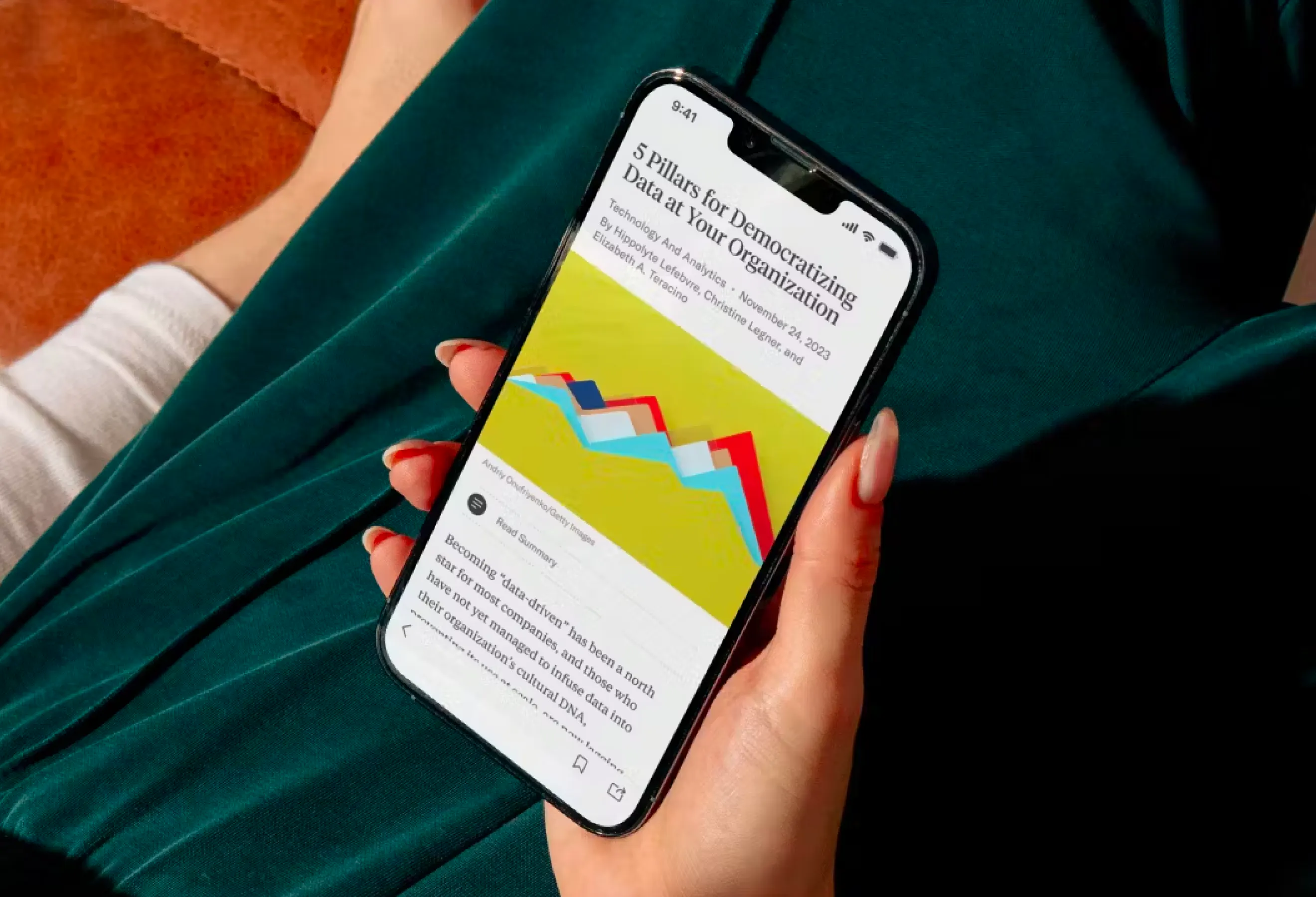
Harvard Business Review
Future-proofing Harvard Business Review to inspire the next generation of global business leaders.
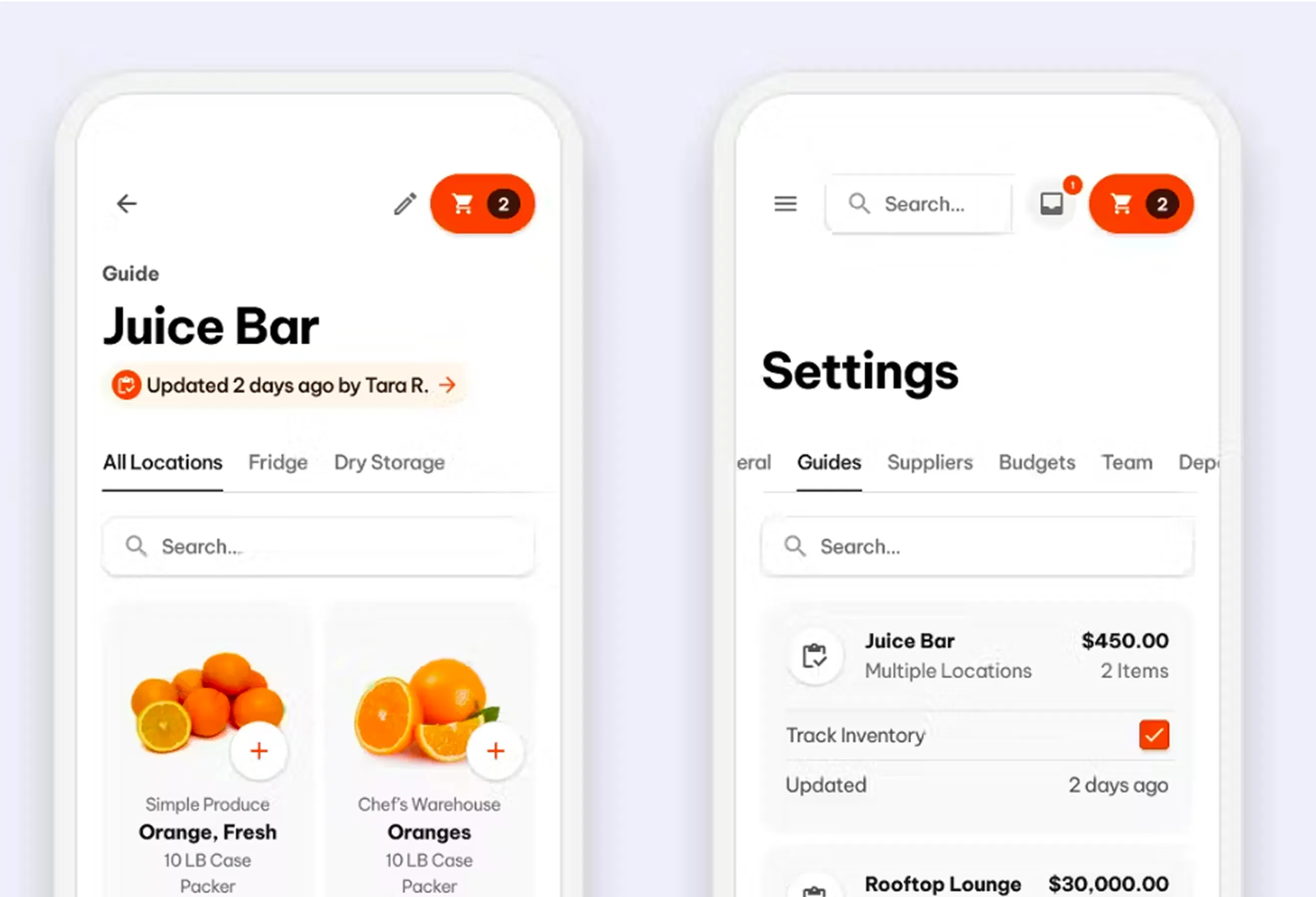
Folio
From idea to Rails MVP in under a year, serving 200+ hotels and securing $14M to transform hospitality.

Confidential Healthcare Company
Building a secure, custom AI tool that streamlines healthcare workflows and boosts team productivity.
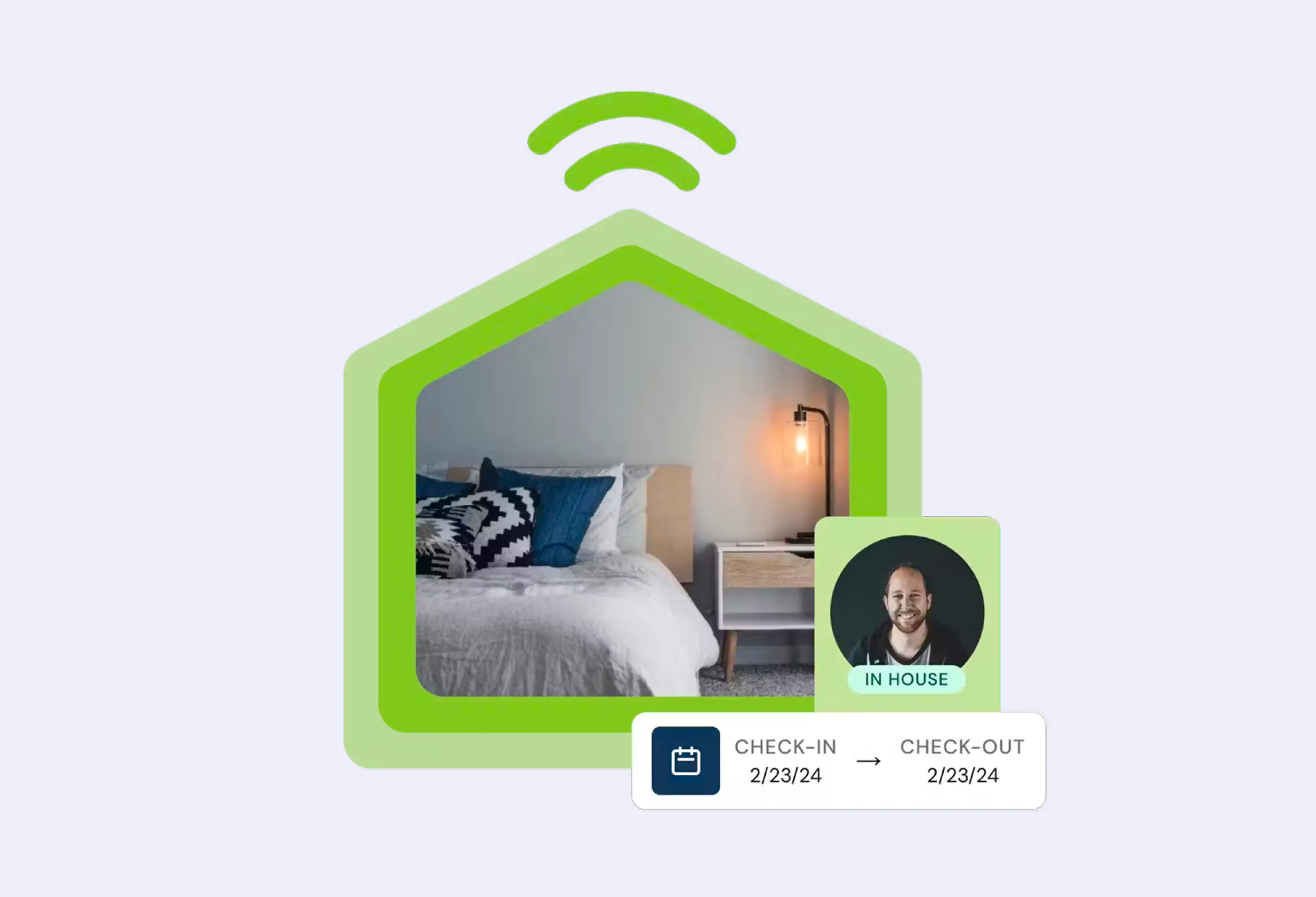
Complex Scheduling and Booking
Creating a custom travel platform that streamlines bookings, cuts errors, and wins larger client contracts.
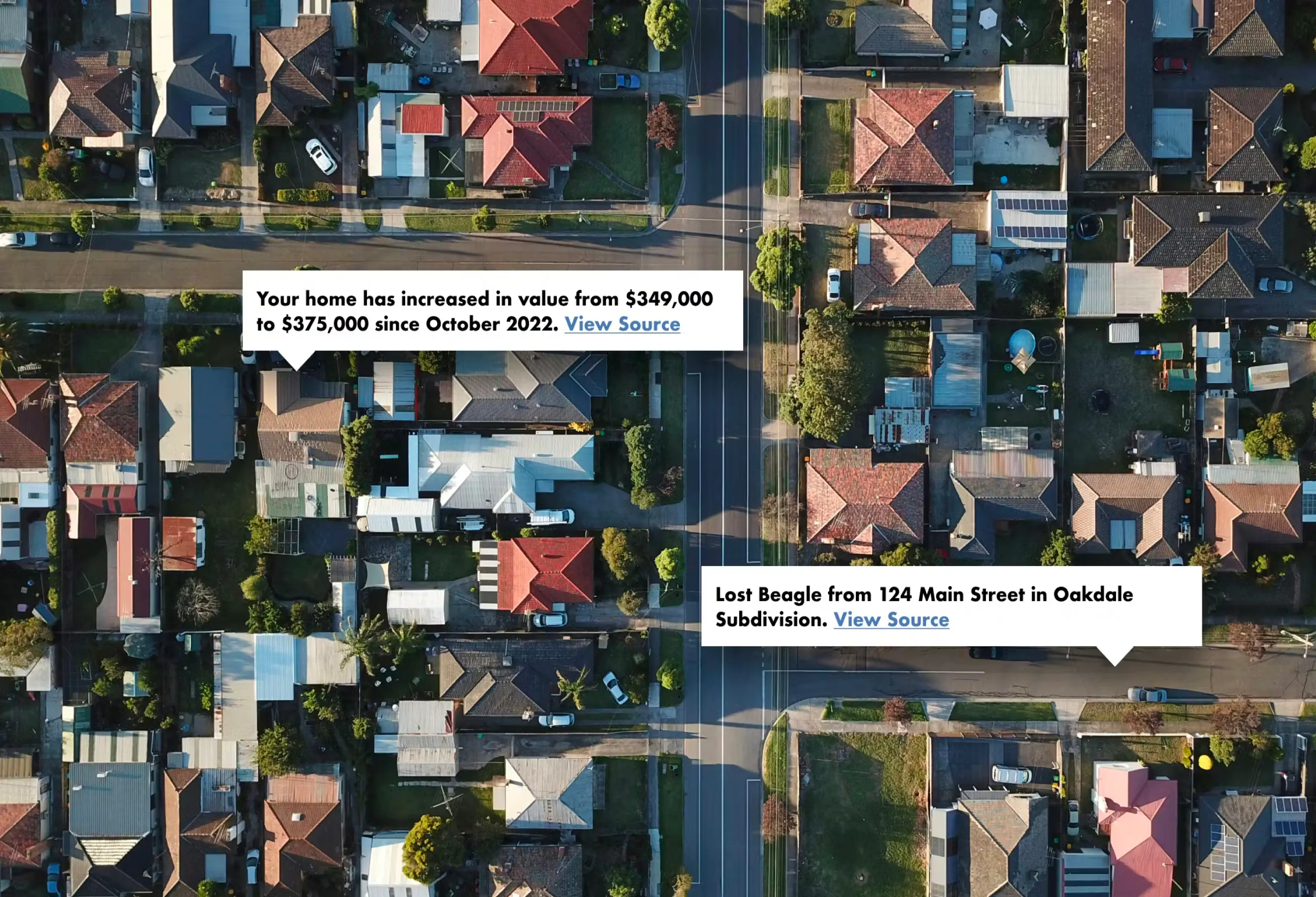
Neighborhood Alerts
Launching and scaled a multi-source alerts platform to 4M users in months, built for speed and reliability.
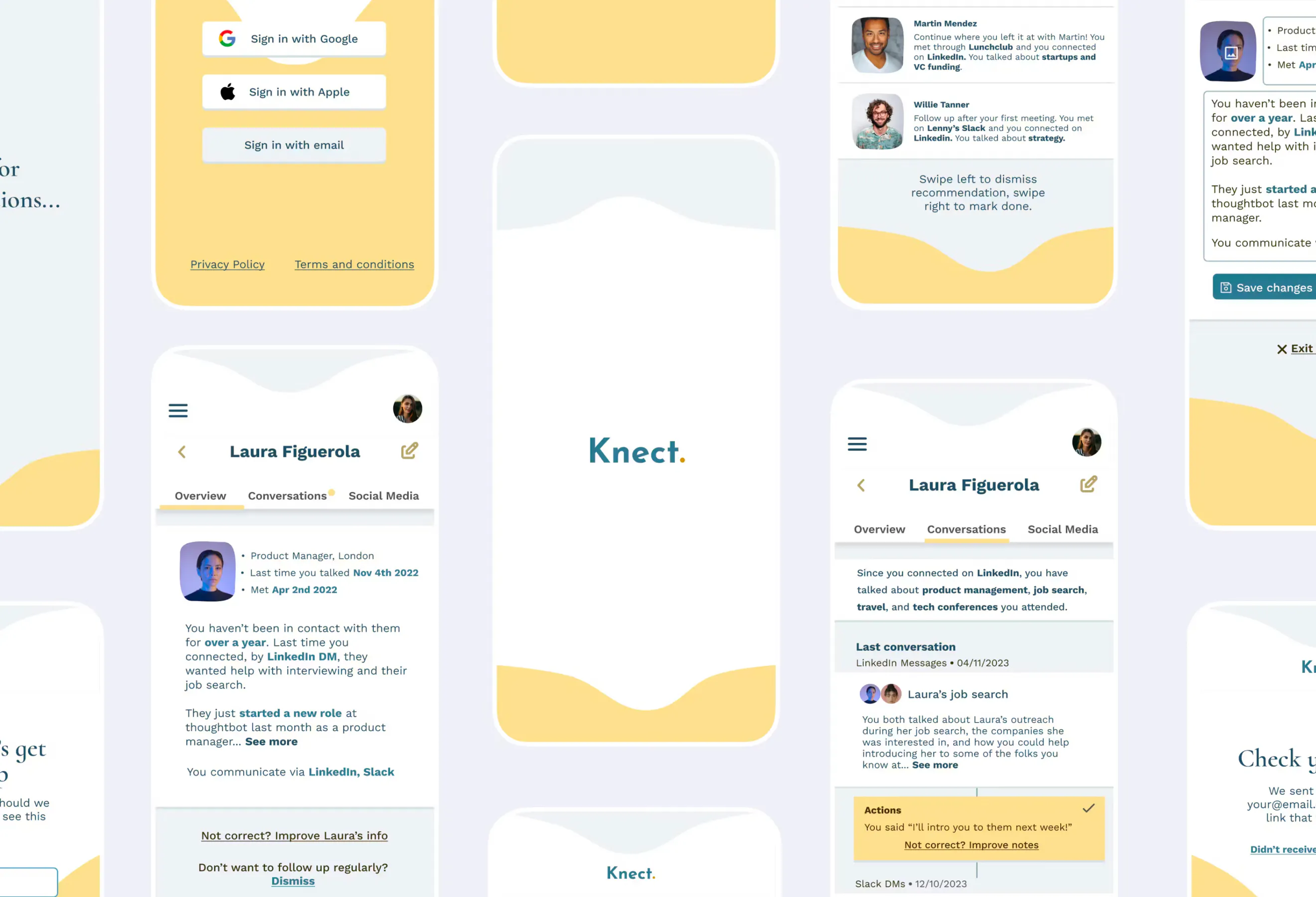
Knect
Validating and building an AI-driven proof-of-concept app to help users strengthen social connections.
Let's talk
What does success look like for your project?